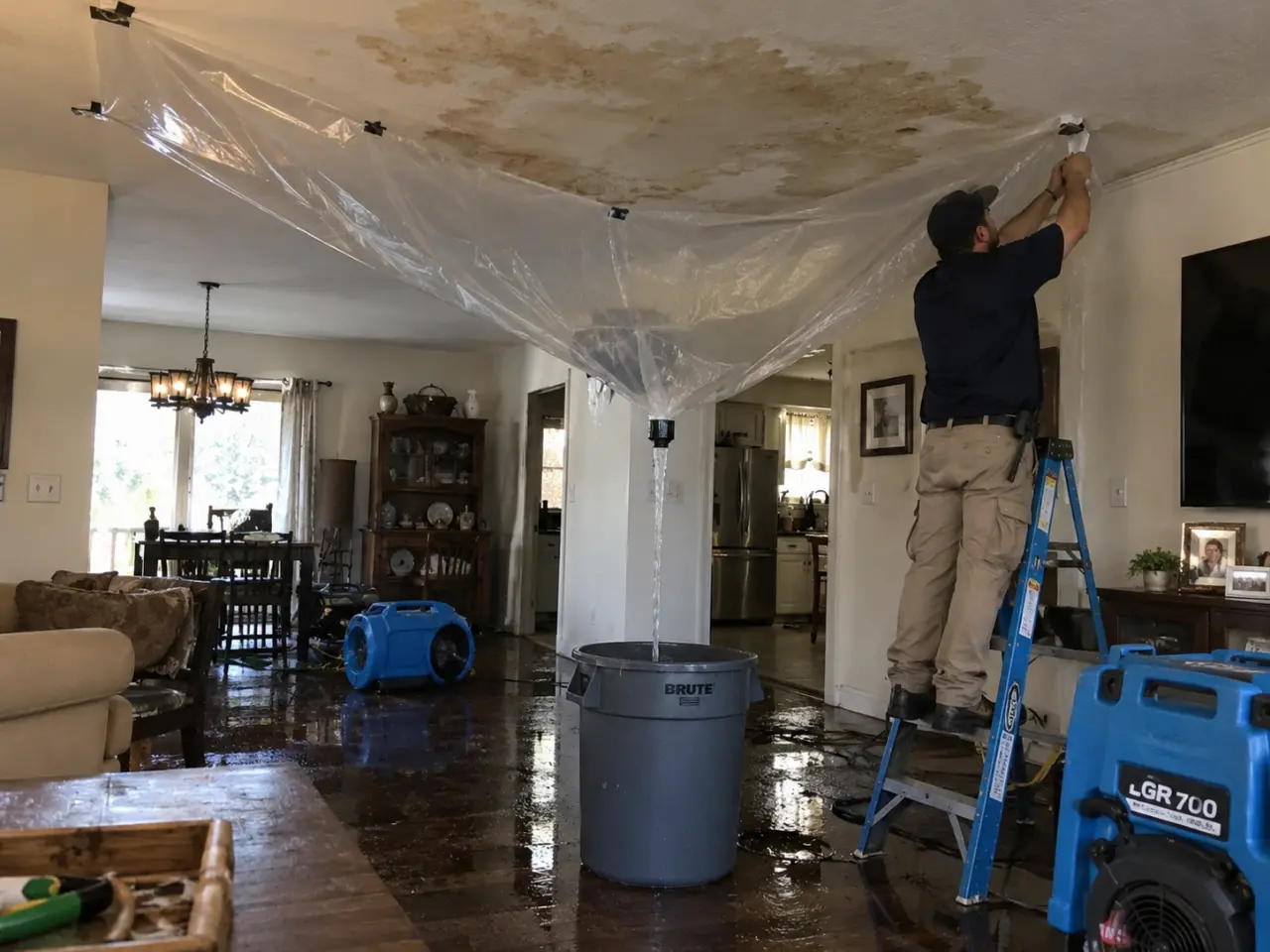
Mold Remediation
Mold Remediation San Antonio TX That Clears the Air
Mold Remediation San Antonio TX means finding the moisture, killing the colony, and keeping it from coming back. Our crews handle mold removal San Antonio homeowners call about after slab leaks, roof leaks, and stormwater intrusion. We contain the work zone, run HEPA air scrubbers, and dry the structure to IICRC S520 standards. If you can smell that musty odor, call (210) 888-0085 today.
Service overview
What Mold Remediation San Antonio TX Actually Involves
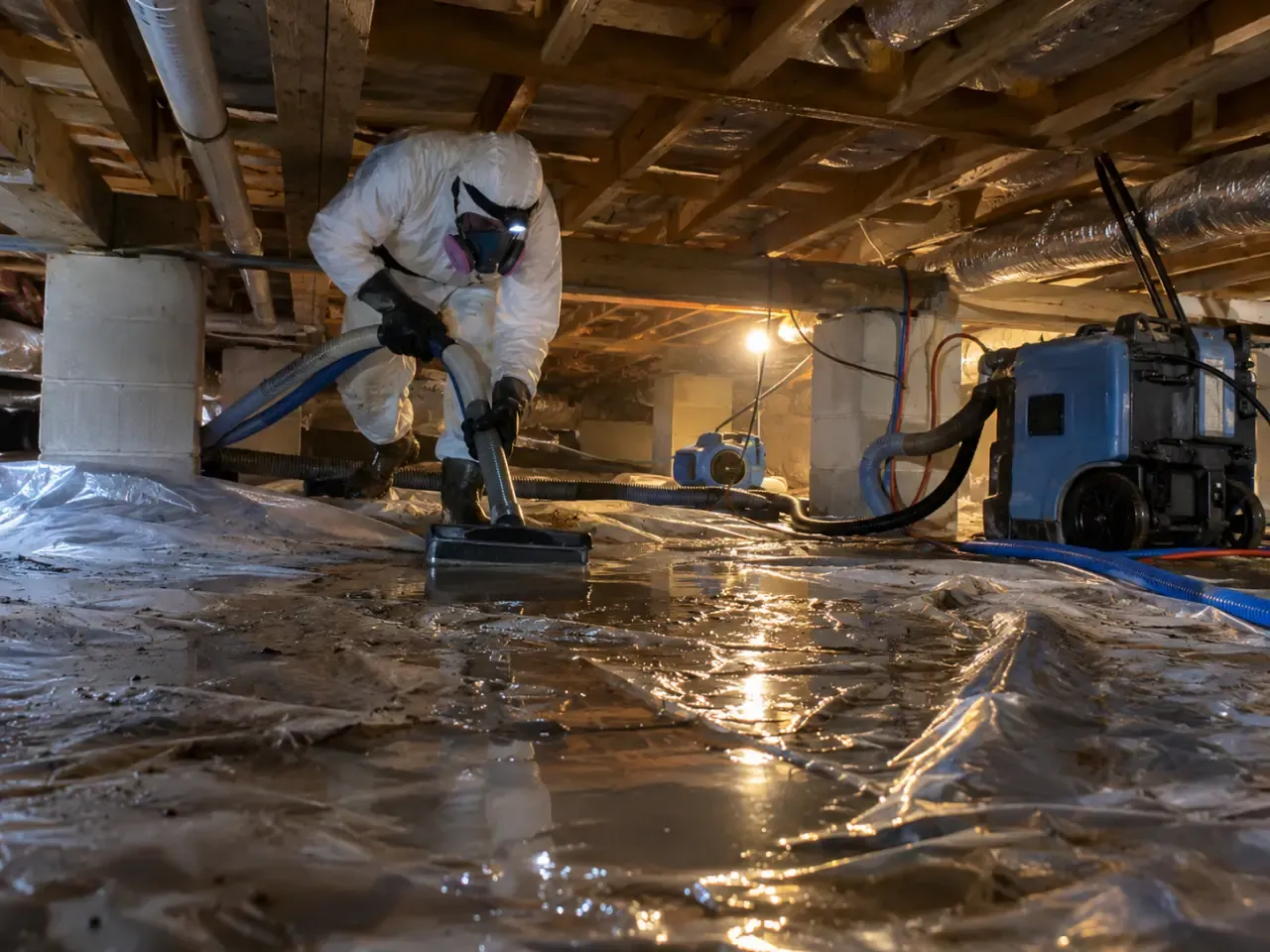
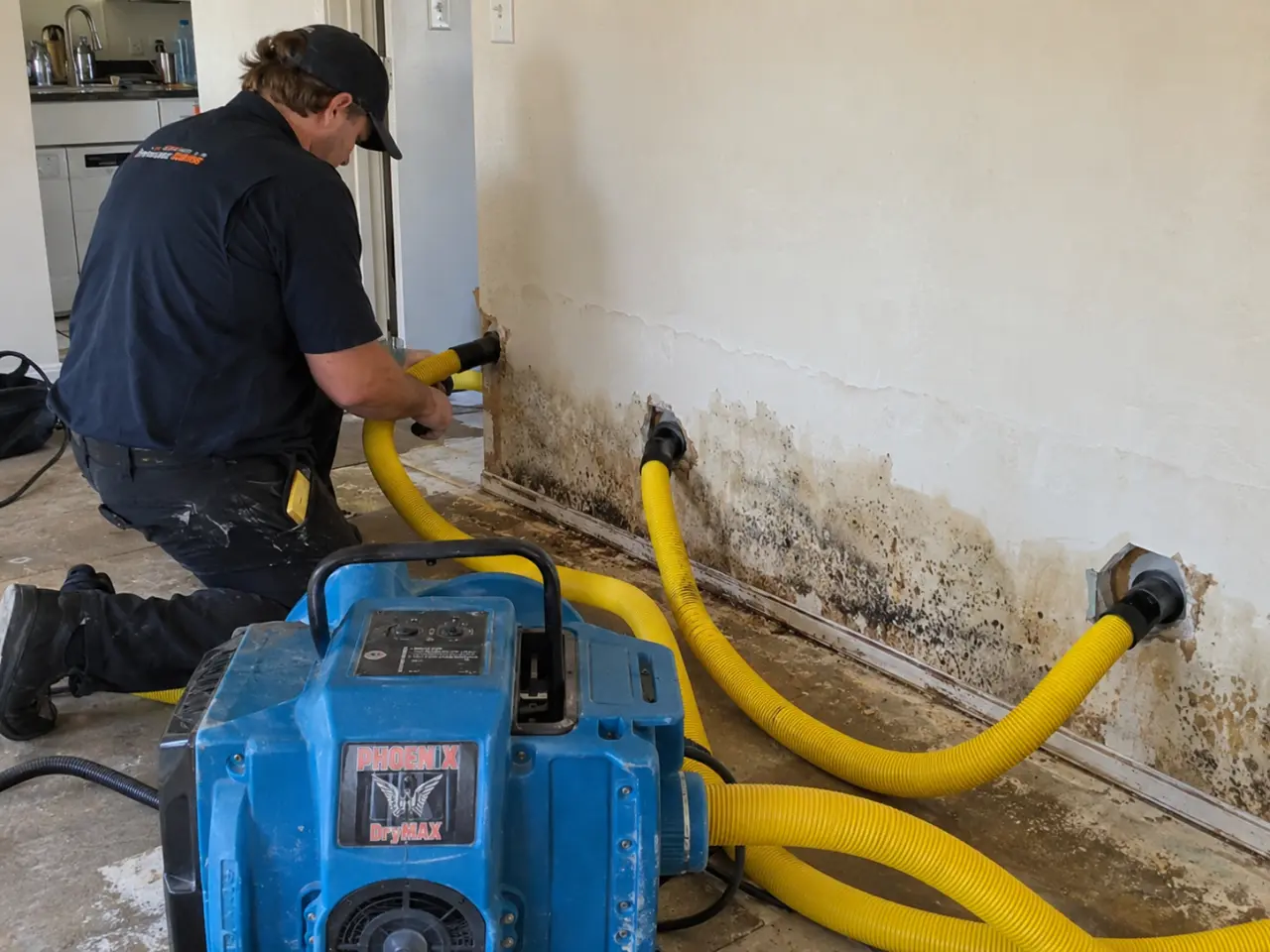
Mold Remediation San Antonio TX is the process of containing, removing, and cleaning mold growth and the moisture that feeds it. It is not a bleach wipe-down. We seal the affected room with polyethylene vapor barriers and containment sheeting, run HEPA air scrubbers to trap spores, then remove porous materials like drywall, insulation, and carpet padding that cannot be saved. After that, we clean structural surfaces with antimicrobial cleaning products and disinfectants, verify dryness with moisture meters and hygrometers, and document the job from start to finish.
San Antonio homes get mold from slab leaks, burst pipes, appliance supply-line leaks, and roof leaks that drip behind walls for weeks before anyone notices. Summer humidity pushes indoor moisture past 60 percent, and that is all mold needs. If you are searching for mold removal near me in San Antonio after a water heater let go, the clock matters. Spores colonize wet drywall in 24 to 48 hours, and secondary mold growth spreads fast through wall cavities and attic insulation.
Practical benefits
Why San Antonio Homeowners Call Us for Mold
Mold does not stop at the surface you can see. These are the four outcomes our customers care about most, and each one is tied to a number we can show you on the job.
Air You Can Breathe
HEPA air scrubbers with HEPA filter media run continuously during remediation, cycling the room air multiple times per hour. That pulls airborne spores out of the breathing zone instead of letting them settle back onto surfaces. Customers with allergies and kids with asthma notice the difference within a day or two of clearance.
Moisture Source Fixed
Removing mold without fixing the water source is wasted money. We trace the leak with thermal imaging cameras and Tramex and Protimeter moisture meters, then hand off the repair scope so the slab leak, supply line, or roof flashing actually gets corrected before we rebuild anything.
Structure Dried Correctly
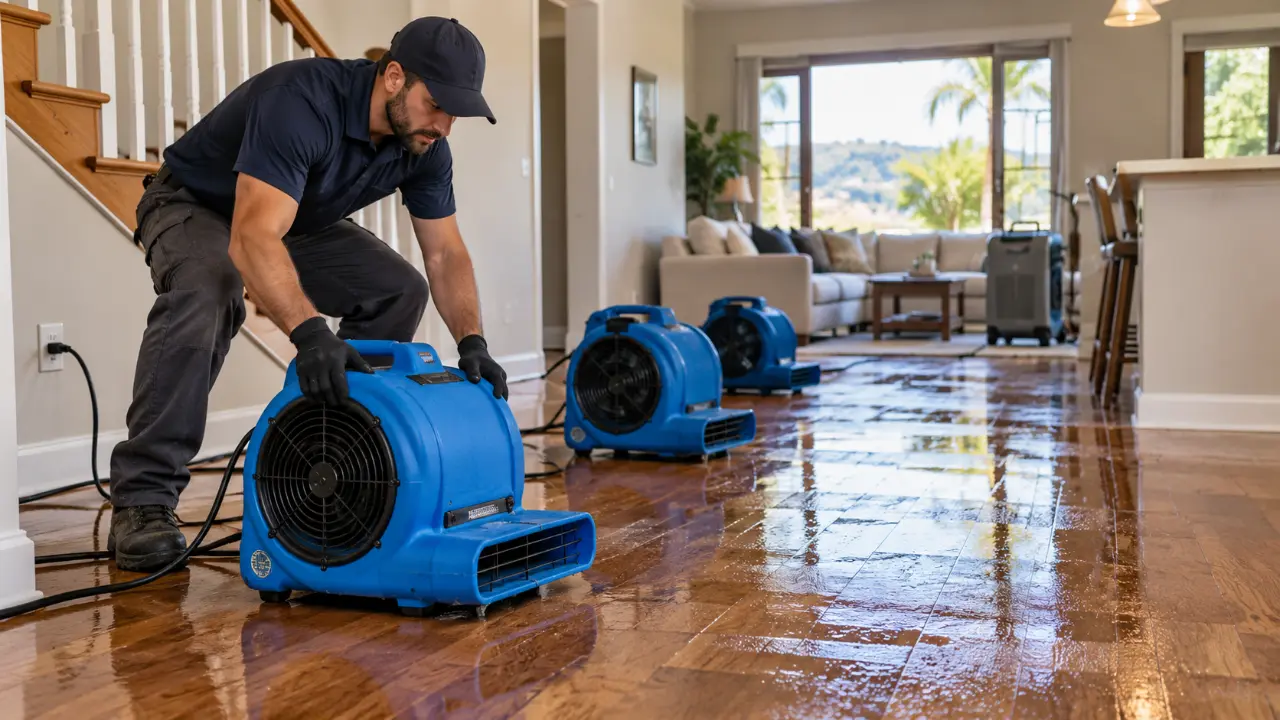
We dry wall cavities and subfloor assemblies with LGR dehumidifiers, desiccant dehumidifiers, and air movers positioned to ANSI/IICRC S500 drying principles. Drywall and hardwood flooring read within normal moisture content before we close anything up, which is what keeps mold from returning.
Documented for Insurance
Every job gets photos, moisture readings, and a written scope. That packet is what your adjuster needs to approve a water damage mold treatment claim. We have walked hundreds of Bexar County homeowners through this paperwork, and we know what carriers ask for.
How service works
Our Mold Remediation Process, Step by Step
Five steps, no surprises. Here is exactly what happens from the first phone call to the day you get your rooms back, including how long each stage takes.
STEP 01
Call and Inspect
You call (210) 888-0085 and we schedule an inspection, usually same week. A technician walks the affected rooms with thermal imaging cameras and moisture meters, checks the attic and crawlspace, and maps where the water traveled. You get a written scope and a price before any containment goes up.
Tools and methods
Tools and Methods We Use for Mold Work
Thermal Imaging Cameras
Used during inspection to find temperature differences that reveal hidden moisture behind drywall, under flooring, and in ceiling assemblies before any demolition starts.
Tramex and Protimeter Moisture Meters
Pin and pinless meters that read moisture content in drywall, framing, and subfloor. We log readings daily so drying progress is measured, not guessed.
HEPA Air Scrubbers
Run continuously during containment to capture airborne spores through HEPA filter media. This keeps the rest of the home clean while removal work is happening.
LGR and Desiccant Dehumidifiers
LGR units handle most residential jobs, while desiccant dehumidifiers pull moisture in cooler or hard-to-dry assemblies. Both are positioned per ANSI/IICRC S500 drying principles.
Air Movers
Directed airflow across wall cavities, subfloors, and framing speeds evaporation and keeps drying even. Placement is adjusted daily based on moisture readings.
Hygrometers
Measure relative humidity in the contained space so we can confirm the drying chamber is performing and adjust equipment as conditions change.
ANSI/IICRC S520 Standard for Professional Mold Remediation
The industry standard for containment, removal, cleaning, and clearance on mold jobs. We follow it on every remediation, which is what makes the documentation defensible with insurance carriers and inspectors.
ANSI/IICRC S500 Standard for Professional Water Damage Restoration
The drying standard we use to set target moisture content and equipment placement. It is the same reference your adjuster uses when reviewing a water damage claim, so the numbers line up.
Containment and Negative Air Pressure
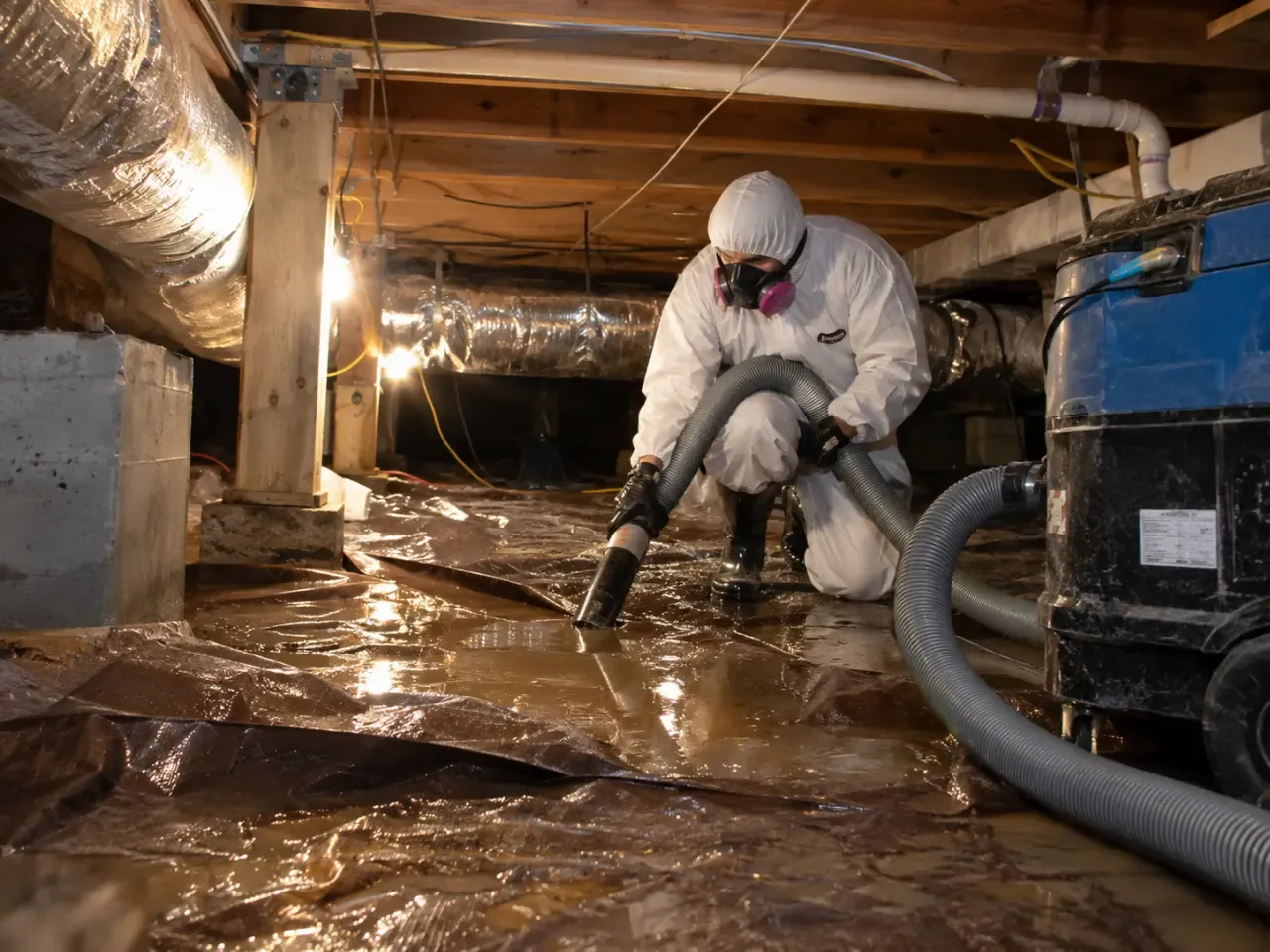
Polyethylene vapor barriers and containment sheeting seal the work zone, and HEPA air scrubbers create negative pressure so spores cannot migrate. This is the step that protects the rest of your home during removal.
Antimicrobial Surface Treatment
After removal, structural framing, subfloor, and salvageable hardwood flooring get treated with antimicrobial cleaning products and disinfectants. This addresses residual growth on surfaces that stay in place.
Where this service fits
When San Antonio Homeowners Call Us for Mold
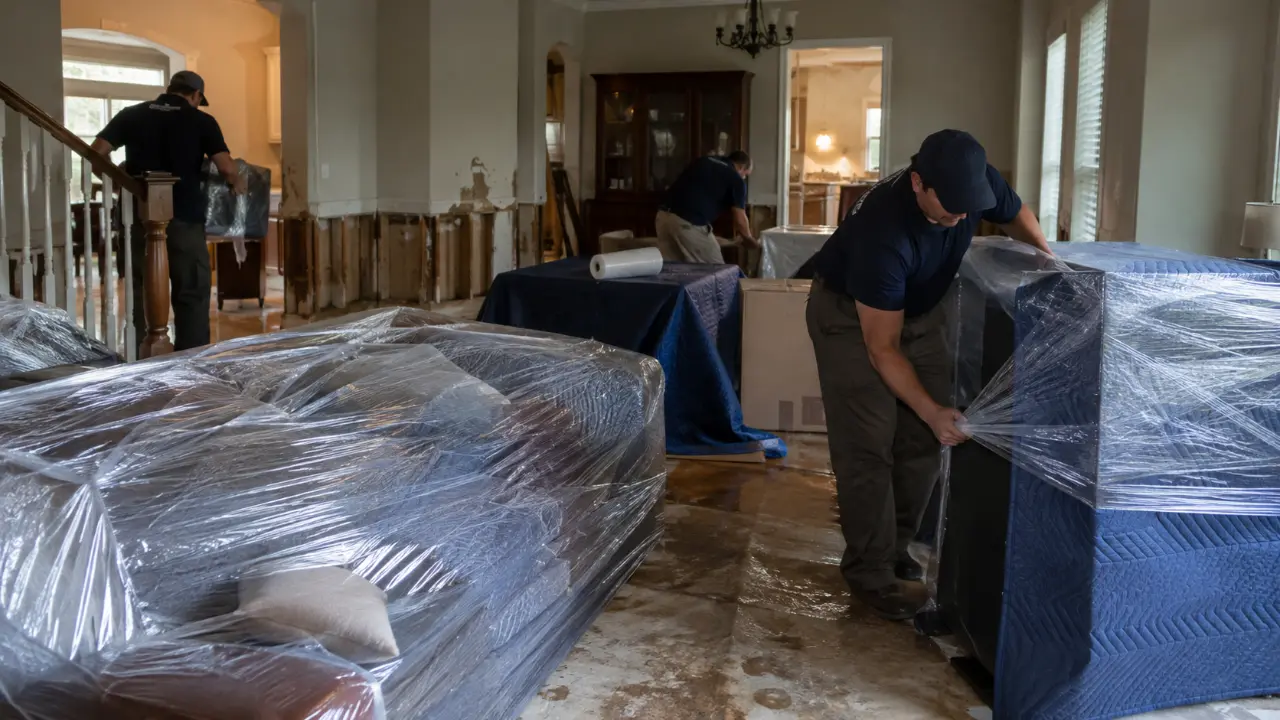
A water heater in the garage let go overnight and soaked the adjacent hallway wall.
We extract the standing water, open the wall cavity, and check the framing with moisture meters. If growth has started, we contain the hallway, remove the affected drywall and insulation, treat the framing, and dry the assembly with LGR dehumidifiers. Most hallway jobs are dry and cleared within five to seven days, and the customer has documentation for the insurance claim on the water heater.
A homeowner in Encino Park noticed a musty smell in the primary bedroom months after a roof leak was patched.
Thermal imaging found moisture still trapped in the ceiling assembly and wall cavity. We contained the room, removed the contaminated drywall and insulation, treated the framing, and dried the cavity to target moisture content. The odor cleared within two days of removal, and the final moisture readings confirmed the assembly was dry before the room was closed back up.
A Southtown property manager had two units with visible mold after a slab leak was repaired.
We phased containment so the other units stayed occupied, removed contaminated materials from both affected units, disinfected structural surfaces, and ran desiccant dehumidifiers to dry the assemblies. Both units cleared in nine days with full documentation for the owner, and no tenant had to relocate during the work.
A homeowner near the Medical Center found mold under the kitchen sink after a slow supply-line drip.
We pulled the cabinet base, removed the swollen cabinet floor and adjacent drywall, treated the framing with antimicrobial cleaning products, and set air movers and a dehumidifier to dry the cabinet cavity. The cabinet cavity was dry in three days, and the customer had a clear scope for the cabinet repair and a documented record for the claim.
Local execution
How Mold Remediation Runs in San Antonio
San Antonio sits on expansive clay soils that shift with our wet-dry cycles, and that movement is hard on slab plumbing. Slab leaks are one of the most common sources of hidden mold we find in Bexar County homes, especially in older neighborhoods near downtown and in the post-2000 builds on the far North Side. Summer humidity regularly pushes indoor relative humidity past 60 percent, which means a slow supply-line leak or a roof leak that drips into attic insulation can feed a colony for weeks before anyone notices. Winter brings the opposite problem: a hard freeze can split a pipe in an exterior wall, and the water does not always show up until it has already soaked the wall cavity. We handle both patterns year-round, and we know the housing stock. Pre-1978 homes get EPA Lead Renovation, Repair and Painting (RRP) protocols before we open walls. Newer builds often have tighter envelopes, which traps moisture longer and makes structural drying more important. If you need professional mold cleanup for a San Antonio home after any of these events, we can usually schedule an inspection the same week and have containment up within a day of approval.
Stone Oak
Larger two-story homes with complex roof lines and multiple HVAC zones. Roof leaks and attic moisture are common calls here, and mold often shows up in second-floor ceiling assemblies first.
Alamo Ranch
Newer construction on the far West Side with tight building envelopes. Slab leaks and appliance supply-line failures are the usual culprits, and moisture trapped in wall cavities dries slowly without mechanical help.
Encino Park
Established North Side neighborhood with mature trees and older roof systems. Storm damage and slow roof leaks drive most of the mold calls we get from this area.
Southtown
Older housing stock with pier-and-beam and slab foundations mixed together. Plumbing is often original, and slab leaks plus aging supply lines are the leading causes of hidden mold growth.
Medical Center
A mix of single-family homes and multi-family properties. Rental and commercial mold calls are common here, and documentation for property owners matters as much as the remediation itself.
Expansive clay soils and slab movement
Soil movement stresses underground plumbing and causes slab leaks that wick water into walls and flooring. These leaks are often invisible until a stain or odor appears, which means growth has usually been active for weeks.
Summer humidity above 60 percent indoors
High indoor humidity slows drying and speeds mold colonization on wet materials. We size dehumidification equipment for San Antonio summers rather than using a one-size-fits-all setup.
Hard winter freezes and split pipes
A freeze event can split a pipe inside an exterior wall, and the leak may not surface until the thaw. We treat these as urgent calls because the wall cavity is usually soaked by the time water shows.
Older housing stock with original plumbing
Homes built before 1978 need EPA Lead Renovation, Repair and Painting (RRP) protocols before walls are opened. We carry that certification so remediation can proceed without a separate abatement delay.
Problems we solve
Mold Problems We Solve for San Antonio Homes
Most mold calls come down to the same handful of water problems. Here is what we see most often in San Antonio and how we handle each one.
Musty odor with no visible mold growth
We use thermal imaging cameras and moisture meters to trace the source room by room, then open the affected cavity, contain it, and remediate. Most hidden-growth jobs are resolved in under a week once we know where the moisture is coming from. The smell means spores are active somewhere you cannot see, usually inside a wall cavity, under flooring, or in attic insulation. Left alone, the colony spreads and the odor gets stronger.
Mold behind baseboards after a slab leak
We map the moisture path, remove contaminated materials, treat the framing and subfloor with antimicrobial cleaning products, and dry the assembly with LGR dehumidifiers. We also tell you what the slab repair needs to involve so it does not happen again. Slab leaks wick water up through the foundation and into drywall for weeks before a stain shows. By then, drywall, insulation, and sometimes hardwood flooring are contaminated and have to come out.
Stormwater intrusion after heavy rain
We extract standing water, remove wet carpet padding, dry the structure, and treat any growth that already started. If remediation is needed, we scope it in the same visit so you are not waiting on a second company. Water coming in through doors, windows, and roof leaks soaks carpet and padding fast. In San Antonio humidity, mold can start in under 48 hours, and the damage usually extends further than the visible wet area.
Mold in a rental or commercial space
We phase containment and drying around tenant schedules, document everything for property owners, and coordinate directly with managers. Most commercial mold jobs are cleared within two weeks with full paperwork for the file. Tenants complain, inspections flag it, and the property manager needs documentation fast. Delays cost rent and can trigger code issues if the space is deemed uninhabitable.
A practical standard for every visit.
Clear planningPrepared arrivalsCareful workLocal follow-through
Experience in the details
Six Years of Water and Mold Work in Bexar County
San Antonio Water Shield has been in business since 2020, and in six years we have handled everything from single-room water heater leaks to whole-house flood water cleanup after a storm. Our technicians train under IICRC Water Damage Restoration Technician (WRT), Applied Structural Drying (ASD), and Applied Microbial Remediation Technician (AMRT) programs, and we operate as an IICRC Certified Firm. That means the drying and remediation standards we follow are the same ones your insurance adjuster references. We also carry EPA Lead Renovation, Repair and Painting (RRP) certification for work in older homes, plus OSHA hazard communication and respiratory protection training for every crew member on site.
- IICRC Certified Firm with WRT, ASD, and AMRT trained technicians on every mold job.
- EPA Lead Renovation, Repair and Painting (RRP) certified for pre-1978 San Antonio housing stock.
- OSHA hazard communication and respiratory protection training for all field staff.
- Thermal imaging and moisture mapping on every inspection, no exceptions.
- Documentation packets built for insurance adjusters and real estate closings.
Where we work
One local team. A lot of ground covered.
Arrange remediation within 24 to 48 hours of any leak that soaked drywall, insulation, or carpet padding. Mold colonizes wet building materials in that window, and San Antonio humidity speeds it up. If you smell a musty odor, see dark spotting near baseboards, or notice warped flooring, call (210) 888-0085 the same day. Waiting a week usually turns a small cleanup into a full room rebuild.
Yes. Every job starts with moisture mapping using thermal imaging cameras and Protimeter and Tramex meters to trace where water is coming from. We identify the slab leak, supply-line leak, roof leak, or stormwater intrusion feeding the growth, then hand off the repair scope. Remediation without fixing the source is temporary, and we do not sell temporary.
Most single-room jobs run five to ten days from inspection to clearance. Containment and removal take one to two days, drying takes two to five days, and clearance plus documentation adds another day. Larger jobs after flood water cleanup or sewage backups can run two to three weeks. You get a written timeline before we start.
Yes, and it is the most common call we get. Water from slab leaks, burst pipes, and roof leaks wicks into wall cavities and insulation where you cannot see it. By the time a stain shows on drywall, mold has usually been growing for weeks. Thermal imaging cameras and moisture meters let us find it before it spreads to adjacent rooms.
Keep exploring
Related Services
Your next step is waiting
Get Mold Remediation San Antonio TX Homeowners Trust
If you can smell it or see it, it is already spreading. Call (210) 888-0085 and we will schedule an inspection, map the moisture, and give you a written scope before any work begins. Licensed, insured, and IICRC Certified Firm.
Start with the basics
Contact San Antonio Water Shield
Call (210) 888-0085 any time, day or night. We answer live, 24/7, and dispatch a crew to your San Antonio address, usually within the hour. If you prefer email, send photos and your address to info@sanantoniowatershield.com and we will call you back with next steps.