Structural Drying & Dehumidification
Structural Drying and Dehumidification San Antonio TX That Saves Your Home
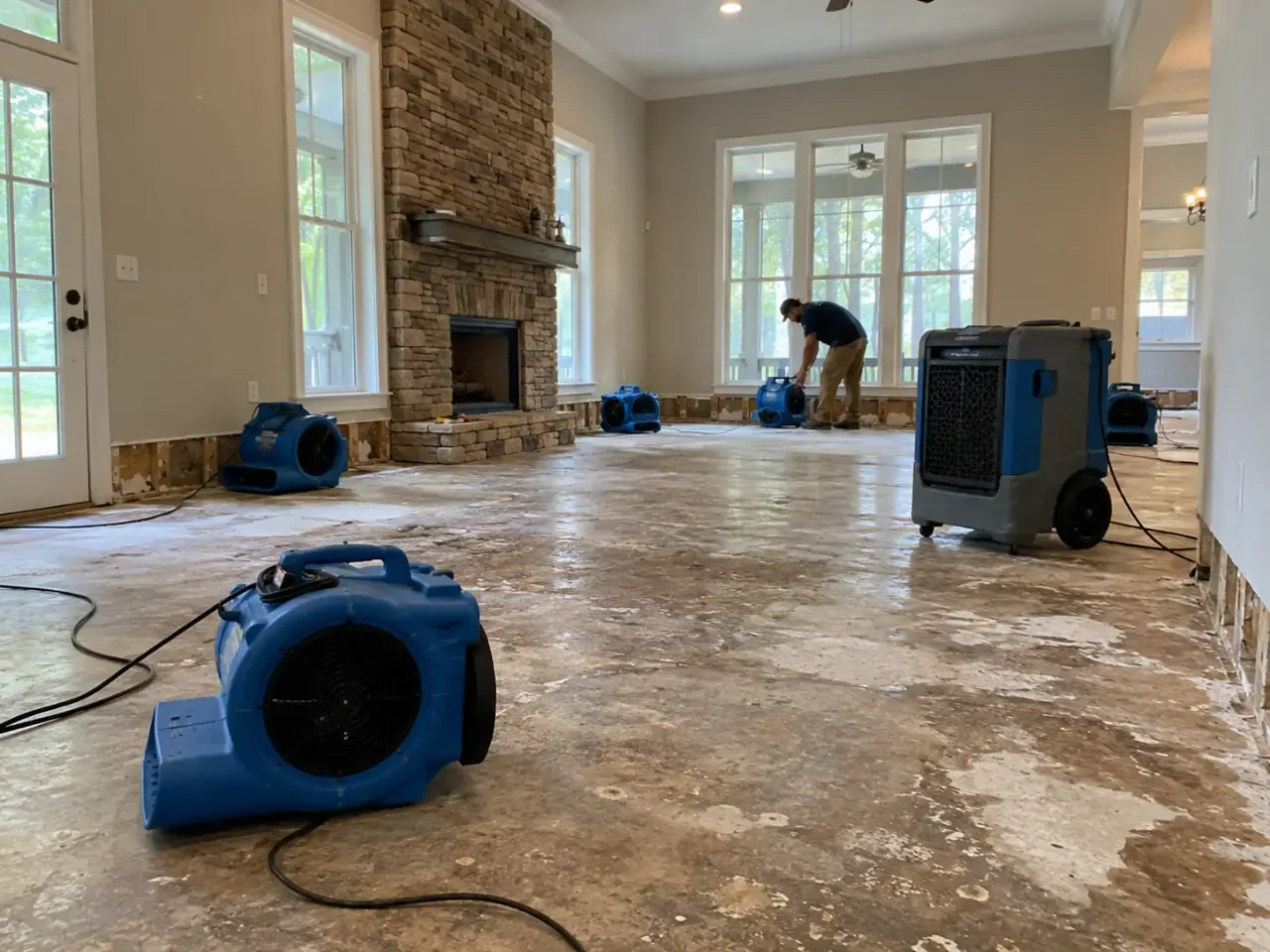
Structural Drying and Dehumidification San Antonio TX is the controlled removal of trapped moisture from building materials after a leak, flood, or burst pipe. We place LGR dehumidifiers, air movers, and moisture meters to dry your structure to IICRC S500 standards. If your walls or floors still feel damp 48 hours after a spill, call us at (210) 888-0085. We serve Bexar County and respond same-day.
Service overview
Structural Drying and Dehumidification San Antonio TX: What It Really Involves
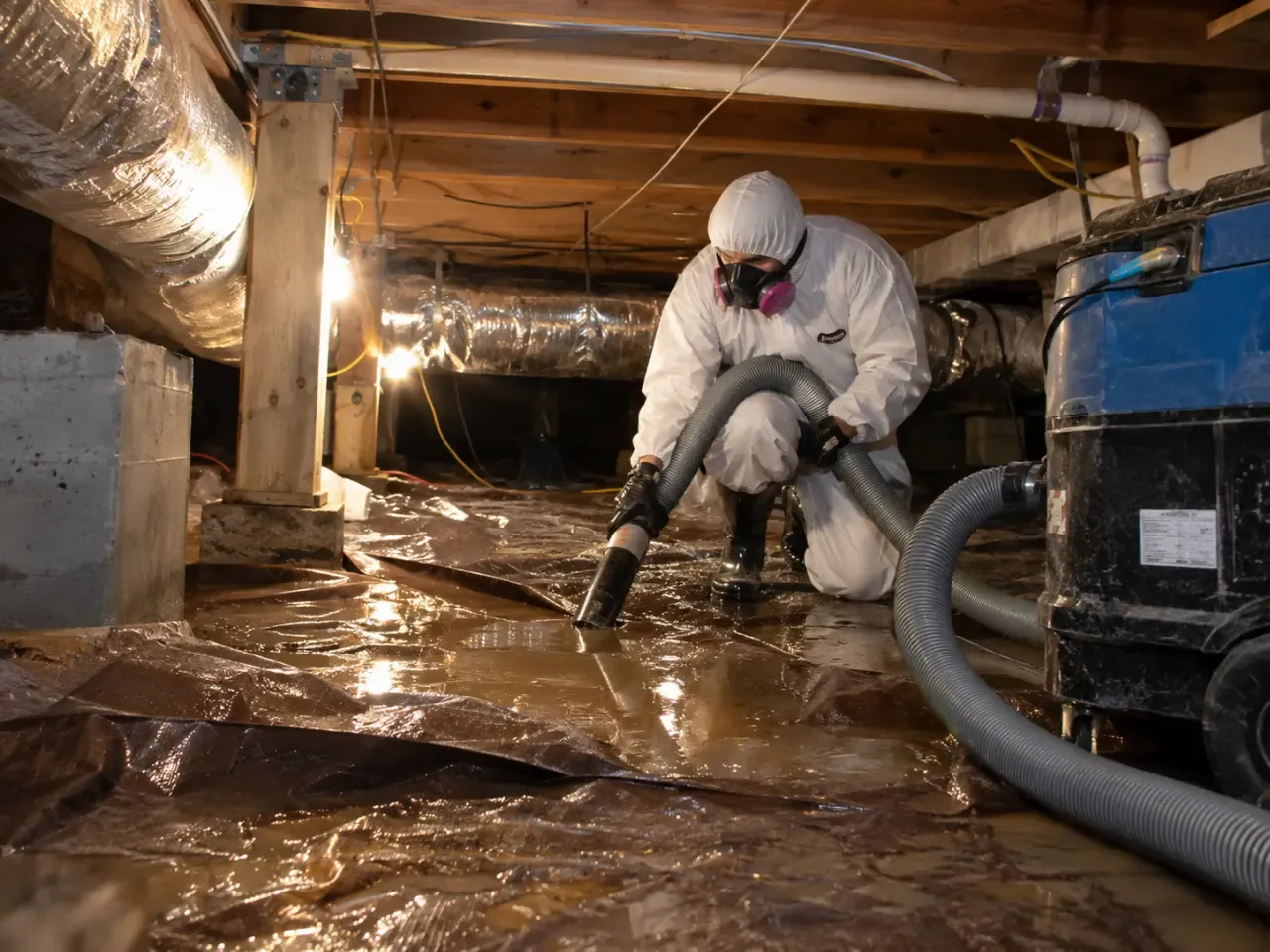
Structural Drying and Dehumidification San Antonio TX is not just running a fan. It is a calculated process of removing moisture from drywall, insulation, hardwood, and subfloor using LGR dehumidifiers, air movers, and Injectidry systems. We map the moisture with Tramex and Protimeter meters, then set drying goals based on temperature, humidity, and material type. Without this step, water wicks into framing and creates the perfect environment for mold within 24 to 48 hours.
San Antonio's climate swings from humid summers to occasional hard freezes, and both stress your plumbing. A slab leak under your foundation or a burst pipe in an attic can soak materials you never see. We handle structural drying San Antonio homeowners trust after stormwater intrusion, appliance supply-line leaks, and sewage backups. If you search for water damage drying service near me in San Antonio, we are the crew that brings truck-mounted extraction units and drying chambers to your door.
Practical benefits
Why Professional Structural Drying Matters
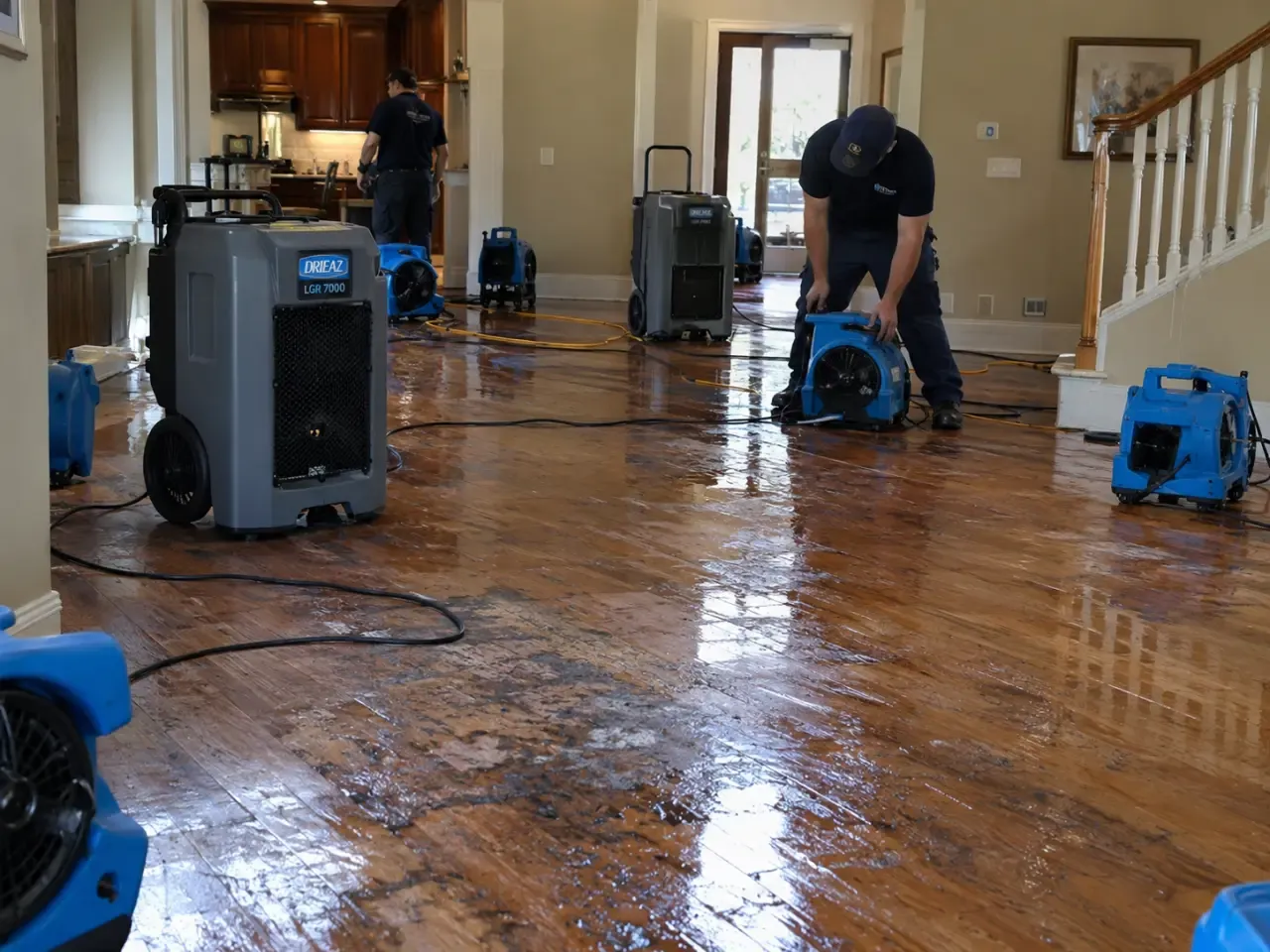
Drying a building is a science. We use calibrated equipment and daily moisture readings to stop secondary damage, cut repair costs, and get you back to normal faster.
Prevents Mold Growth
Mold can start growing on wet drywall in as little as 24 hours. Our desiccant dehumidifiers pull moisture from the air while HEPA air scrubbers capture spores. We dry the structure to below 16% moisture content, which stops mold before it starts. In San Antonio's humidity, this step is not optional.
Saves Your Floors
Hardwood flooring and carpet padding trap water and warp within days. We use portable water extractors and Injectidry panels to dry hardwood in place, saving you thousands in replacement. One Alamo Ranch customer avoided a $6,800 floor replacement because we started drying within 12 hours.
Reduces Repair Costs
The longer moisture sits, the more materials need to be removed. Our building drying services in San Antonio, Texas target the source fast. We dry drywall and insulation in place when possible, cutting demolition and reconstruction costs by 30% to 50% compared to waiting.
Restores Indoor Air Quality
Wet materials release musty odors and allergens. We run HEPA air scrubbers and antimicrobial cleaning products to clean the air while we dry. By the time we pull equipment, your home smells like a home again. We verify with hygrometers before we call the job done.
How service works
Our Structural Drying Process: Step by Step
Every job follows the ANSI/IICRC S500 standard. Here is exactly what happens from the moment you call to the day we remove the last air mover.
STEP 01
Emergency Assessment
We arrive within 60 to 90 minutes in most of Bexar County. A certified technician uses thermal imaging cameras and moisture meters to map the water. We identify the source, check for slab leaks or burst pipes, and document everything with photos for your insurance claim.
Tools and methods
Tools and Methods We Use for Structural Drying
LGR Dehumidifiers (Dri-Eaz, Phoenix)
Low-grain refrigerant dehumidifiers pull large volumes of moisture from the air. They work best in warm, humid conditions like San Antonio summers.
Desiccant Dehumidifiers
Desiccant units use a silica gel wheel to dry air in cooler temperatures. We use them for crawlspaces and during winter months when LGR efficiency drops.
Air Movers (XPOWER, B-Air)
High-velocity air movers create evaporation by moving air across wet surfaces. We position them to target walls, floors, and ceilings.
Thermal Imaging Cameras (Tramex, Protimeter)
These cameras show temperature differences that reveal hidden moisture behind walls and under floors. We use them to map the damage without demolition.
Moisture Meters (Protimeter, Tramex)
Pin and pinless meters measure moisture content in drywall, wood, and concrete. We use them daily to track drying progress and confirm completion.
HEPA Air Scrubbers
HEPA filters capture mold spores, dust, and debris. We run them during drying to improve air quality and prevent cross-contamination.
Injectidry Systems
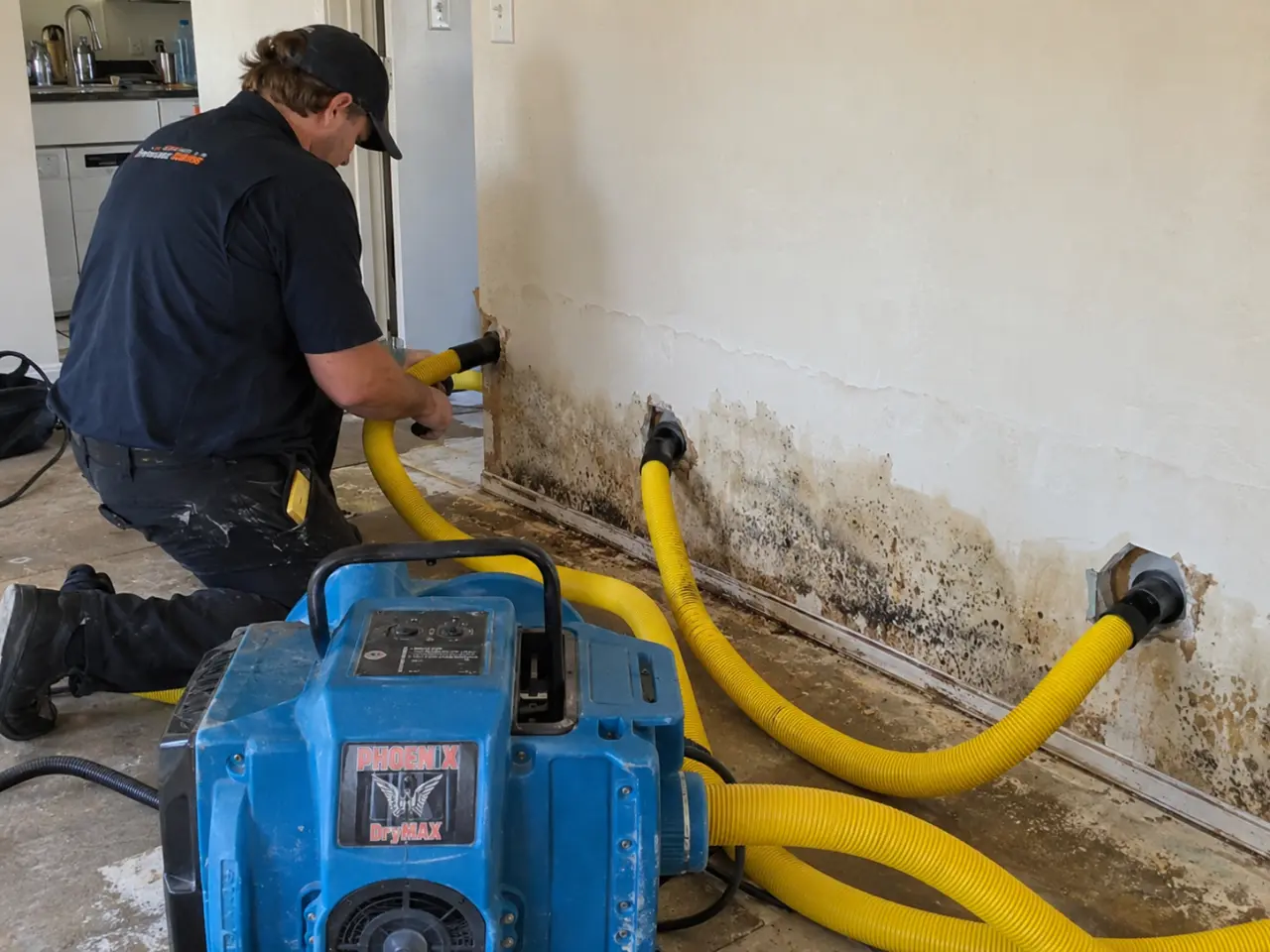
Injectidry panels force dry air into wall cavities and under hardwood floors. This dries materials from the inside out, saving floors and walls.
ANSI/IICRC S500 Standard
This is the industry standard for water damage restoration. It guides how we assess, dry, and verify. Following it ensures we dry to the correct standard and document properly.
Psychrometric Monitoring
We measure temperature and humidity to calculate dew point and drying goals. This tells us if the equipment is working and when the structure will be dry.
Containment and Vapor Barriers
We use polyethylene vapor barriers and containment sheeting to isolate wet areas. This prevents moisture from spreading and keeps drying focused.
Antimicrobial Application
We apply EPA-registered antimicrobial cleaning products to wet surfaces. This stops mold and bacteria growth during the drying process.
Where this service fits
When You Need Structural Drying and Dehumidification
A slab leak soaks your foundation and carpet in a Southtown home.
We extract water with portable extractors, then place desiccant dehumidifiers and air movers. We use thermal cameras to map moisture under the slab. We dry the carpet and pad if salvageable, or remove and replace if not. Your home is dry in 4 to 5 days. You avoid mold and save the cost of replacing flooring throughout the house.
A burst pipe in an attic rains down into ceilings in Stone Oak.
We extract standing water, remove wet insulation, and set up LGR dehumidifiers and air movers. We use containment sheeting to keep moisture from spreading. We monitor ceiling moisture daily. Ceilings dry in 3 to 4 days. You avoid a full ceiling tear-out and mold remediation.
Stormwater floods a basement in Alamo Ranch after heavy rain.
We pump out standing water, apply antimicrobial cleaning products, and set up commercial dehumidifiers. We check for sewage contamination and treat accordingly. We dry the space to standard. Basement is dry and safe in 5 to 7 days. You get a report for insurance and peace of mind.
A commercial dehumidification after a leak in San Antonio office building.
We use commercial-grade desiccant dehumidifiers and air movers to dry large open spaces. We work after hours to avoid disrupting business. We monitor moisture and provide daily reports. Office reopens in 2 to 3 days with no mold and no downtime during business hours.
Local execution
How Structural Drying Works in San Antonio, Texas
San Antonio's climate creates specific drying challenges. Summers are hot and humid, which slows evaporation and makes LGR dehumidifiers essential. Winter freezes can burst pipes in attics and walls, and the water often goes unnoticed until damage is severe. Our building stock includes pier-and-beam homes in Southtown and slab-on-grade houses in Stone Oak and Alamo Ranch. Pier-and-beam homes have crawlspaces that trap moisture, so we use desiccant dehumidifiers and vapor barriers there. Slab homes can hide slab leaks that soak carpet and framing. We use thermal imaging to find these hidden leaks. We also follow Bexar County code requirements for water damage repair and work with local inspectors. If you need moisture monitoring and building drying in Stone Oak San Antonio, we know the terrain. We serve ZIP codes 78112, 78239, 78259, 78258, 78252, and 78251.
Stone Oak
Many homes here are two-story with upstairs bathrooms. A supply-line leak can soak ceilings below. We use thermal cameras to find moisture before it spreads.
Alamo Ranch
Newer construction with slab foundations. Slab leaks are common and can go undetected. We use moisture meters to map under flooring.
Southtown
Historic pier-and-beam homes with crawlspaces. These spaces trap humidity. We use desiccant dehumidifiers and vapor barriers to dry them.
Medical Center
A mix of commercial and residential buildings. We handle both with commercial-grade equipment. Fast response is critical for businesses.
High summer humidity (70%+ relative humidity)
Slows evaporation and requires more dehumidification power. We use LGR dehumidifiers and monitor daily to ensure drying stays on track.
Winter freeze events that burst pipes
Water can flow for hours before discovery. We respond 24/7 and use thermal imaging to find all affected areas.
Clay soil that shifts and cracks pipes
Slab leaks are common in San Antonio. We use moisture meters and thermal cameras to detect them without breaking the slab.
Problems we solve
Problems We Solve with Professional Structural Drying
Trapped moisture causes more damage than the initial leak. We solve the hidden problems that lead to mold, rot, and high repair bills.
Musty odors that will not go away
We find the moisture source with thermal imaging, dry the structure with LGR dehumidifiers, and run HEPA air scrubbers. The odors disappear because the moisture is gone, not just covered up. Musty odors mean mold and bacteria are growing in hidden spaces. Ignoring it leads to health issues and expensive remediation.
Warped hardwood floors after a leak
We use Injectidry panels and desiccant dehumidifiers to dry hardwood from the inside out. This saves the floor in most cases. We monitor moisture daily until the wood reaches its dry standard. Warped floors mean moisture is trapped underneath. Waiting can turn a drying job into a full floor replacement costing thousands.
Wet drywall and insulation behind walls
We use moisture meters to find wet drywall without tearing it all out. We dry in place with air movers and dehumidifiers. If replacement is needed, we remove only the affected sections. Wet drywall grows mold in 24 to 48 hours. Insulation loses R-value and becomes a mold food source. The damage spreads silently.
High humidity after a small leak
We set up LGR dehumidifiers to pull moisture from the air. We target 30% to 50% relative humidity. Once the air is dry, the structure dries faster and stays dry. Even a small supply-line leak can raise indoor humidity to 70% or more. High humidity warps wood, ruins electronics, and feeds mold.
A practical standard for every visit.
Clear planningPrepared arrivalsCareful workLocal follow-through
Experience in the details
Certified Structural Drying Expertise You Can Trust
We have been drying San Antonio structures since 2020. Our team holds IICRC Water Damage Restoration Technician (WRT) and Applied Structural Drying (ASD) certifications, and we follow the ANSI/IICRC S500 standard on every job. We also carry IICRC Applied Microbial Remediation Technician (AMRT) credentials for jobs that involve mold. From slab leaks in Southtown to stormwater intrusion in Stone Oak, we have dried hundreds of homes and commercial spaces across Bexar County.
- IICRC Certified Firm with WRT and ASD certified technicians on every crew.
- We use Dri-Eaz, Phoenix Restoration Equipment, and XPOWER dehumidifiers and air movers.
- Thermal imaging cameras and Tramex meters find moisture behind walls without demolition.
- We follow ANSI/IICRC S500 and S520 standards for drying and mold prevention.
- 6 years serving San Antonio, from Stone Oak to Southtown and Alamo Ranch.
Where we work
One local team. A lot of ground covered.
Before the visit
Frequently Asked Questions About Structural Drying in San Antonio
Still wondering?(210) 888-0085
Structural drying works by moving dry air across wet materials while dehumidifiers pull moisture from the air. We set up air movers and LGR dehumidifiers to create evaporation. Moisture meters track progress daily. Most San Antonio homes dry in 3 to 5 days. We follow IICRC S500 standards and adjust equipment as needed.
Most San Antonio homes need 3 to 5 days of dehumidification. A small bathroom leak might dry in 2 days. A flooded living room with wet drywall and hardwood can take 5 to 7 days. Humidity, material type, and how fast we start all affect the timeline. We monitor daily and tell you exactly when we expect to finish.
We use LGR dehumidifiers, desiccant dehumidifiers, and high-velocity air movers from Dri-Eaz, Phoenix Restoration Equipment, and XPOWER. For walls, we use Injectidry panels and moisture meters. Thermal imaging cameras find hidden moisture. HEPA air scrubbers clean the air. Every tool is calibrated and job-specific.
We compare moisture readings to a dry standard for your area using Protimeter and Tramex meters. We check drywall, framing, and subfloor. When readings match the dry standard, the structure is dry. We also use thermal imaging to confirm no hidden pockets remain. You get a final report with all readings.
Keep exploring
Related Water Damage Services
Your next step is waiting
Get Structural Drying and Dehumidification San Antonio TX Now
Every hour counts when moisture is trapped in your walls. We are IICRC certified, insured, and ready to roll 24/7. Call now for same-day service and a free estimate. We dry it right the first time.
Start with the basics
Contact San Antonio Water Shield
Call (210) 888-0085 any time, day or night. We answer live, 24/7, and dispatch a crew to your San Antonio address, usually within the hour. If you prefer email, send photos and your address to info@sanantoniowatershield.com and we will call you back with next steps.